


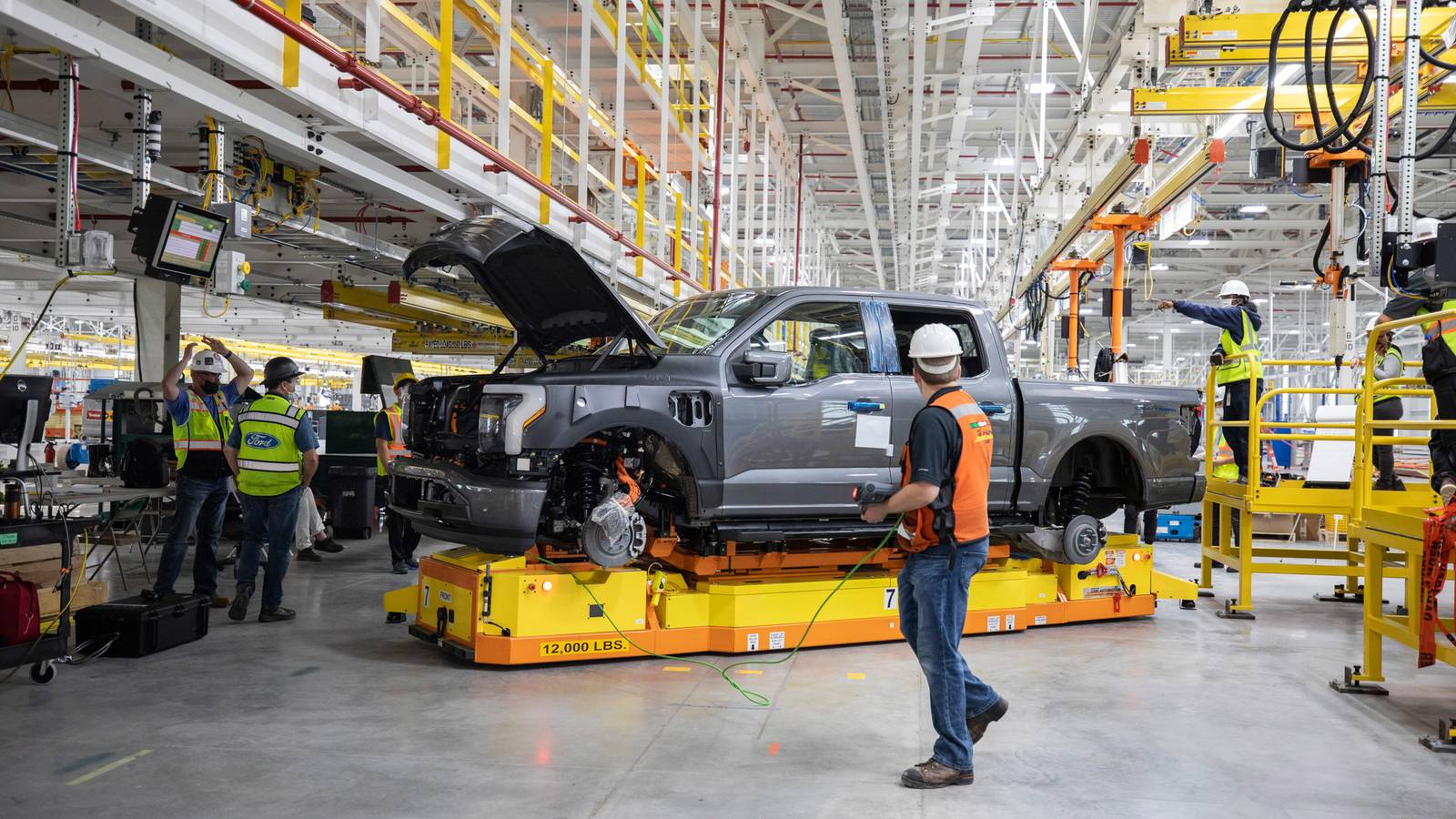
Electric vehicles have experienced a rapid rise in popularity in recent years, indicating a transformative shift in the automotive industry’s pursuit of eco-friendly alternatives to internal combustion engines. The industry experienced a noteworthy popularity increase in 2024, but analysts indicate that we can expect sales to decline a bit in 2025 as more brands start to consider cost-effective gasoline-electric hybrid technologies. Regardless of this trend, EVs have come about due to an increasing importance regarding carbon emissions and fossil fuel dependence reduction. Modern innovations in electric car technology have made the vehicle option more accessible and appealing to the mass market.
As you can expect, the electric motor is a central part of the functioning of EVs. These convert electrical energy to mechanical energy to propel a car forward without the emissions associated with traditional engines. There are currently three noteworthy design types of electric motors that brands are applying to their EVs for various reasons and benefits. These are the synchronous permanent magnet motor, the electrically excited synchronous motor, and the asynchronous induction motor. Each of these options has unique characteristics, benefits, and working principles, catering to multiple needs and specifications of electric vehicles. This is everything you need to know about the basic functions of these motor designs and what makes them so advantageous.
In order to give you the most up-to-date and accurate information possible, the data used to compile this article was sourced from various manufacturer websites and other authoritative sources including Control Engineering and Oswos.

The Synchronous Permanent Magnet Motor
The Simplest And Most Popular Motor Option
The permanent magnet synchronous motor is an important component in modern electric vehicles and is renowned for its efficiency and compact design. The rotor in these motors is embedded with permanent magnets that synchronize the rotor’s speed with the stator’s rotating magnetic field, ensuring that they rotate at the same frequency.
When an alternating current is supplied to an electric car’s stator, it generates a rotating magnetic field. This magnetic field interacts with the permanent magnets in the rotor, creating a synchronous rotation, and thus, produces torque to drive the vehicle’s wheels. The synchronized rotation ensures optimal power conversion, maximizing efficiency and performance. The velocity of the vehicle is modulated by varying the frequency of the AC supplied to the motor. Advanced control systems in electric cars facilitate meticulous control over the motor’s operation, allowing for precise adjustments to speed and torque based on driving conditions, enhancing the vehicle’s adaptability and responsiveness.
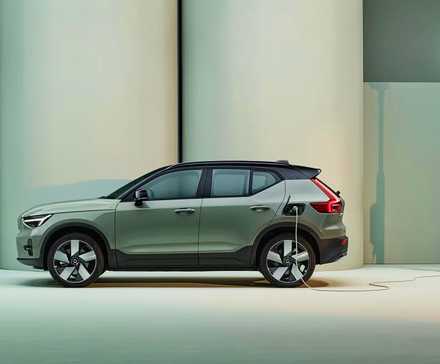
Synchronous permanent magnet motors are renowned for their high power density and efficiency, making them an optimal choice for electric cars where space and energy conservation are crucial. The utilization of permanent magnets eliminates the need for brushes, reducing wear and tear and maintenance needs, adding to the motor’s longevity and reliability. These motors are commonly used on the rear axles of Volkswagen Group and Tesla EVs, while the Hyundai Group uses these on both axles for most of its electric cars, such as the Ioniq 5.
The synchronous permanent magnet motor harmoniously integrates compactness, efficiency, and precision control, propelling electric vehicles with optimal energy conversion and minimal loss. It stands as a testament to technological advancements in electric motor design, providing a balanced and sustainable propulsion solution in the evolving landscape of electric mobility, and reinforcing the pursuit of eco-friendly and high-performance transportation alternatives.

Global Electric Vehicle Sales Surge In 2025, Just Not Evenly
Once again, one country is clearly leading the “charge” in electric vehicle sales.
Electrically Excited Synchronous Motor
Focusing On Efficiency And Longevity
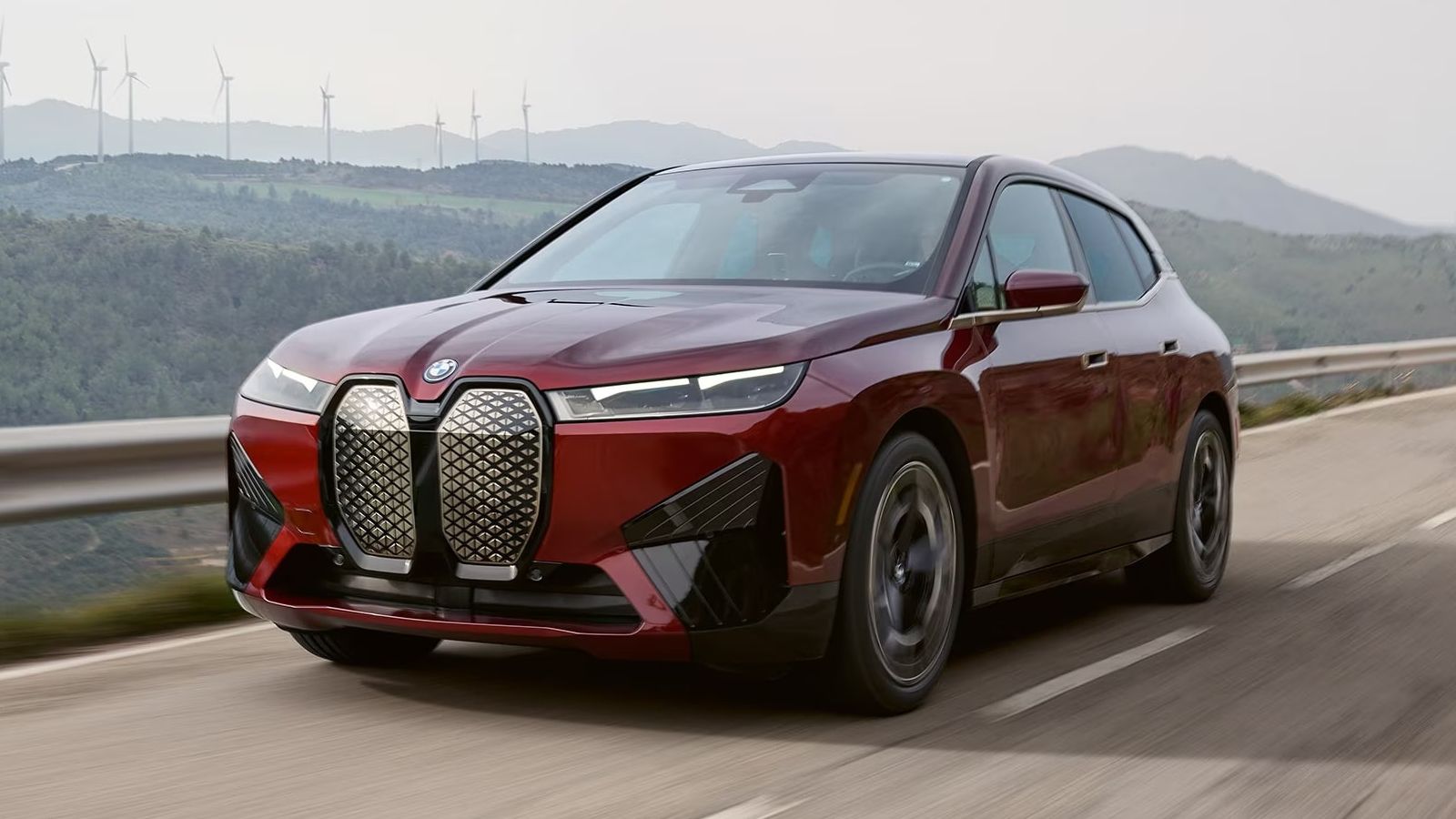

The electrically excited synchronous motor, currently used in most of BMW‘s electric options, as well as some Mercedes-EQ models, operates as a crucial propellant in electric vehicles. It harmonizes magnetic synchronization with electrical excitation to offer controlled and efficient driving experiences. This motor utilizes an external power source to produce a magnetic field in the rotor, distinguishing it from its permanent magnet counterpart.
The EESM receives alternating current to its stator, creating a rotating magnetic field. Direct current is concurrently supplied to the rotor to generate a magnetic field that aligns synchronously with the stator’s rotating field. This synchronized interaction between the rotor and stator magnetic fields produces torque to propel the car. The vehicle’s speed and torque are precisely controlled by adjusting the frequency and amplitude of the supplied AC, enabling precise manipulation of the motor’s output to suit varying driving conditions. Advanced electronic controllers interpret the driver’s inputs, modulating the motor’s operations to ensure responsive and smooth driving dynamics.
Electrically excited synchronous motors are applauded for their flexibility and adaptability, allowing for adjustments to the magnetic field strength, and subsequently, motor characteristics, optimizing performance, and efficiency. These motors do well in scenarios that demand high torque and power, providing robust and reliable propulsion to electric vehicles and ensuring peak performance across diverse driving environments.
Electrically excited synchronous motors amalgamate synchronized magnetic interactions with precise electrical adjustments to provide optimized propulsion in electric vehicles. They embody adaptability and power, adapting their operational characteristics to the vehicle’s demands to ensure optimal performance, and contribute to the advancement of efficient and sustainable electric vehicle technologies. The integration of these motors signifies a stride towards versatile and high-performance electric mobility solutions, catering to the evolving prerequisites of modern transportation.

Hot Take: The Concept Of An Electric Cadillac Escalade Feels Very Weird
With the IQ, Cadillac suggests a different Escalade experience. But, can it wear the same crown as its gas-powered twin?
Asynchronous Induction Motor
Prioritizing Robustness And Versatility


An asynchronous induction motor operates based on the principles laid down by Nikola Tesla. There are three different induction motor designs, all of which may be applied to EVs. This motor type relies on alternating current and is distinguished by the absence of brushes and commutators, reducing maintenance requirements and enhancing longevity. The operation begins with the application of AC to the stator windings, creating a rotating magnetic field. This rotating field induces a current in the rotor due to electromagnetic induction, hence the induction motor description. As the rotor never reaches the synchronous speed of the stator’s magnetic field, it is identified as an asynchronous function.
The induced current in the rotor generates its magnetic field in electric cars, interacting with the stator’s field to produce torque, propelling the vehicle forward. The vehicular speed is controlled by varying the frequency of the AC supplied to the stator and manipulated through advanced electronic control systems, allowing precise control over the vehicle’s motion. Manufacturers like the Volkswagen Group and Tesla use these motors for the front axles of their EVs.
Asynchronous induction motors are praised for their robustness and efficiency, suitable for varied driving conditions. They can generate substantial torque at low speeds, which is beneficial for starting and low-speed maneuvers, and maintain efficiency at high speeds. Their ability to operate under diverse load conditions with minimal wear makes them a prevalent choice for electric vehicles, as they combine performance with reliability. Asynchronous induction motors in electric cars utilize the principles of electromagnetic induction to convert electrical energy to mechanical energy efficiently, providing a balance of power, reliability, and operational resilience, which is paramount in the dynamic environment of automotive applications. They continue to be a crucial component in the advancement of electric vehicle technology, contributing to the evolution of sustainable and efficient transportation solutions.

The Electric Car That Offers The Best Maintenance Cost Savings Over Gas Vehicles
This electric vehicle is one of the most well-known EVs ever and it just so happens that it rivals ICE-powered cars with low maintenance costs.
The Future Of Electric Motor Technology
EV Design Will Become Smarter And More Affordable

Future electric motor technology will push electromobility forward by improving efficiency, power density, and sustainability. Next-generation axial flux motors, which are smaller and lighter than traditional radial flux motors, will enable higher power output while reducing weight and energy loss. These motors will make EVs more efficient, extending range without increasing battery size. Silicon carbide and gallium nitride semiconductors in inverters will enhance energy conversion, leading to less heat loss and improved performance. Switched reluctance motors, which eliminate rare-earth magnets, will reduce dependence on critical materials like neodymium while lowering costs and making production more sustainable.
How Manufacturers Source Materials For Electric Motors
- Copper comes from large open-pit or underground mines, where ores are extracted, crushed, and refined through smelting or electrolysis to create conductive wiring for motor windings.
- Rare earth elements like neodymium and dysprosium are mined primarily in China, Australia, and the US, using open-pit mining and chemical separation to produce strong permanent magnets for electric motors.
- Steel for motor casings and rotors is made from iron ore extracted in mines worldwide, processed in blast furnaces, and alloyed with other metals to enhance strength and efficiency.
- Aluminum, used for lightweight motor housings, is refined from bauxite ore through the Bayer process to produce alumina, then smelted in electrolysis cells to create pure aluminum.
- Graphite, essential for motor brushes in some designs, is sourced from natural deposits in China, Brazil, and India or produced synthetically from petroleum coke at high temperatures.
- Insulating materials like mica and resins come from mined minerals and petrochemical processing, ensuring motor components resist heat and electrical currents effectively.
Developments in superconducting motors will also play a role in commercial EVs, particularly in aviation and heavy transport, where weight and efficiency matter most. Wireless power transfer will revolutionize charging by integrating dynamic charging into roads, eliminating range anxiety and reducing battery size requirements. Integration of AI and smart control systems will optimize motor efficiency in real-time by adjusting torque delivery and regenerative braking based on driving conditions. 3D-printed motor components will accelerate prototyping and allow for lighter, more compact designs with superior cooling. These advancements will shape the future of electromobility by making EVs more affordable, increasing range, and supporting a circular economy by reducing reliance on finite resources. The combination of these innovations will expand EV adoption beyond passenger cars into commercial fleets, aviation, and marine transport, making electromobility the dominant form of transportation in the coming decades.
link