Car repairs are getting more expensive in 2025. Here’s why

Your next trip to the mechanic could hit your wallet harder than you’re prepared for.


Where to look for the recommended PSI numbers for your car
Do you know how much air pressure your tires need? It’s written somewhere, and it’s not just in the owner’s manual.
- The cost of car repairs in America is increasing due to several industry factors.
- Soon, the cost of buying a used and new car could skyrocket because of some of the same factors.
Car repair costs are on the rise and up 15% year-over-year, according to CNN.
In 2025 car buyers are facing extreme market uncertainty due to auto import and part tariffs. Though new vehicle prices haven’t been severely impacted yet, vehicle repair costs are increasing.
Tariffs aren’t the sole reason that repairs are becoming more expensive. Here’s why you could face some extreme sticker shock during your next trip to the mechanic.
Why car repairs are getting more expensive in 2025
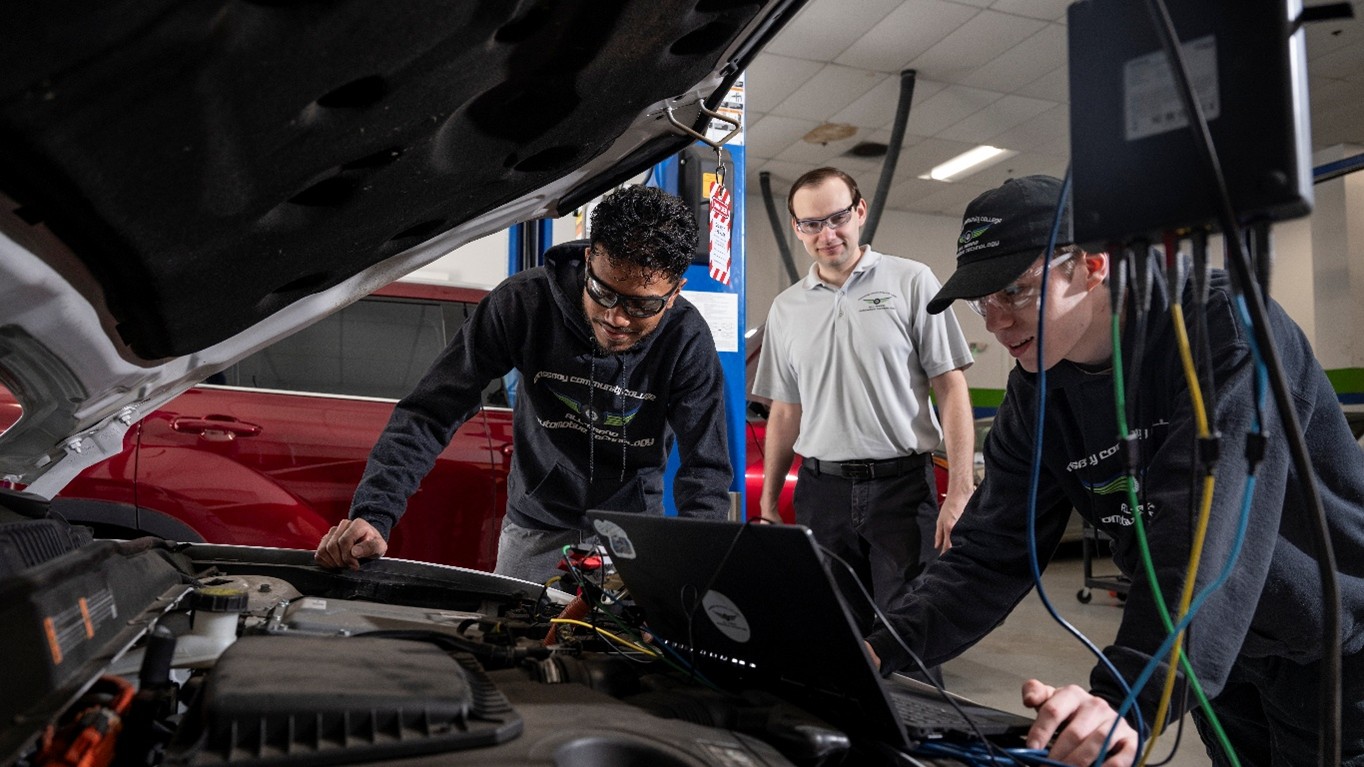
A perfect storm is jacking up car repair costs. One factor is that drivers are keeping their cars for longer, with the average age of cars on the road increasing. Other factors include more complex vehicle systems due to technological advancements and a shortage of qualifiied technicians.
In short, American drivers are keeping their vehicles for longer thanks to rising new car prices. Additionally, newer vehicles are becoming harder to fix and require skilled technicians since they now include more advanced systems.
Aside from older cars on the road, a lack of technicians, and advanced vehicle tech, there’s another huge factor that’s driving up repair costs for American car owners: tariffs. Tariffs are increasing the costs of repairs because imported parts are more expensive. More expensive replacement parts made in foreign countries increases repair costs, so even drivers who aren’t buying a vehicle aren’t immune from tariff impact.
How tariffs are impacting the automotive industry in 2025
Ford estimates a $3 billion tariff hit for 2025, says Reuters. Tariffs will cause Volkswagen to raise prices on some models by as much as 7%, according to MotorTrend.
The auto tarrifs are costing some of the world’s largest automakers billions of dollars. These costs are beginning to trickle down to consumers as the year comes to a close. While many automakers have successfully shielded consumers from the impact of tariffs, there’s only so much companies can endure before having to increase new car prices.
Should you get a new car before price hikes?
New car prices have jumped 2.6% from July to August, which is one of the largest one-month increases in nearly two years, according to Kelley Blue Book. Though prices have been relatively stable over the last few months, there are signs of big moves in the future.
Getting a new car now could help you dodge higher starting prices caused by tariffs in the future, but there are a few things to consider before jumping on a new car deal. First, new vehicles can lose as much as 20% of their value in the first year of ownership. Auto insurance and registration costs for new vehicles are usually higher as well.
Depreciation makes gently used cars better deals than brand-new cars for many drivers. That said, if you’re looking for a new car deal in 2025, there are still plenty of promotions and incentives. Best-selling nameplates like the Toyota RAV4 ($29,800) and Ford F-150 ($38,810) remain relatively affordable. In fact, Ford’s pro-America campaign led to the automaker putting up phenomenal sales numbers despite tariffs.
Getting your car repaired and buying a used or new one could be much more expensive in 2026. Economists say the future of trade in the coming years looks bleak, and average tariffs could continue to increase by 2028.
link